
Metropolitan Museum of Art: What You Should See at the Met
Metropolitan Museum of Art: What You Should See at the Met
Guía rápida
- Quick guide: what to see at the Met
- The Met's two locations in New York
- What to see at the Met on Fifth Avenue
- 1. Egyptian art
- 2. Ancient Near Eastern art
- 3. Asian art
- 4. Islamic art
- 5. American decorative arts
- Other collections to see at the Met
- The Met's rooftop terrace
- The Met Cloisters: the medieval art collection
- Tips for visiting the Met
- The Met's address
- How to get there
- Updated Met ticket prices
- 10 Tips to Save on Your Trips
- 👇🏼 Leave your email and be part of something special.
- Deals for your getaway
- 15% off your hotel
The Metropolitan Museum of Art in New York is one of the largest museums in the world, so let me warn you up front: there is a lot to see at the Met. One visit is not enough!
But don't worry, I know travelers are short on time and every second counts. That's why I put together this guide to the highlights of the Met.
That way you can head straight to whatever interests you most and you won't miss the most famous collections in one of the world's most important museums.
Quick guide: what to see at the Met
The Metropolitan Museum in New York welcomes five million visitors a year, and its collection includes more than two million pieces from every corner of the planet, some of them more than five thousand years old.
In 2024 the Met broke its pre-pandemic visitor record, and what's striking is that the share of tourists is much lower than it used to be.
I'd guess it's because admission is fairly expensive ($30) and international visitors can no longer «pay what you wish,» an option that made visiting much more affordable.
Nothing to be done about it, we have to pay full price for admission to the Met, but every penny spent at this museum is absolutely worth it!
Remember there's always the option of buying a tourist pass like the Go City New York, which can save you up to 40% on attraction admissions.
The Met's two locations in New York
Before I get into what to see at the Met, it's important to know that the Metropolitan Museum of Art in New York has two locations. The good news is that a single ticket gets you into both within a 3-day window.
- The Met Fifth Avenue
- The Met Cloisters
Below I'll give you the details on the more famous location, the Met on Fifth Avenue. In my view, visiting the Met Cloisters is something to save for a second trip (if you have to prioritize, that is).
What to see at the Met on Fifth Avenue
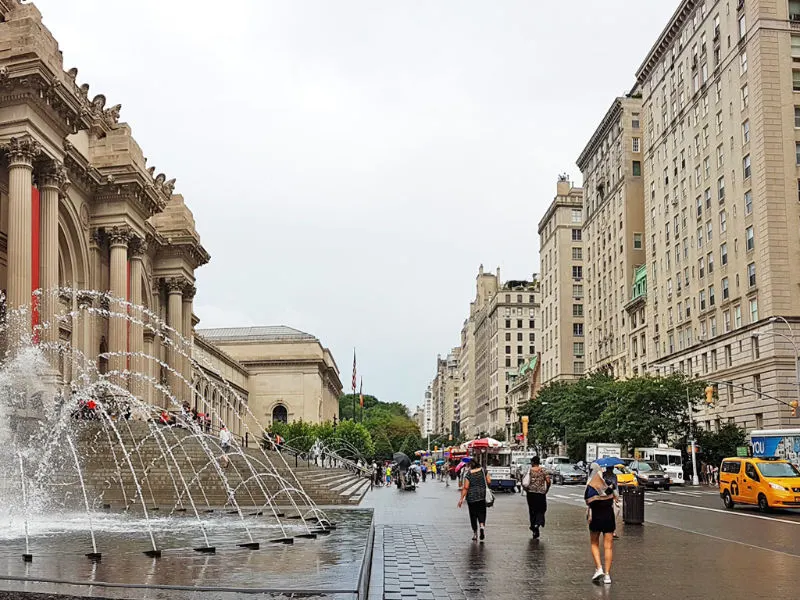
The Met's main building is on Fifth Avenue, right in the middle of Museum Mile.
It's the largest and the one known around the world. You'll definitely want to come back, because there's never enough time to take in everything on display.
To help you plan your visit, here's a guide to its most outstanding permanent collections:
1. Egyptian art
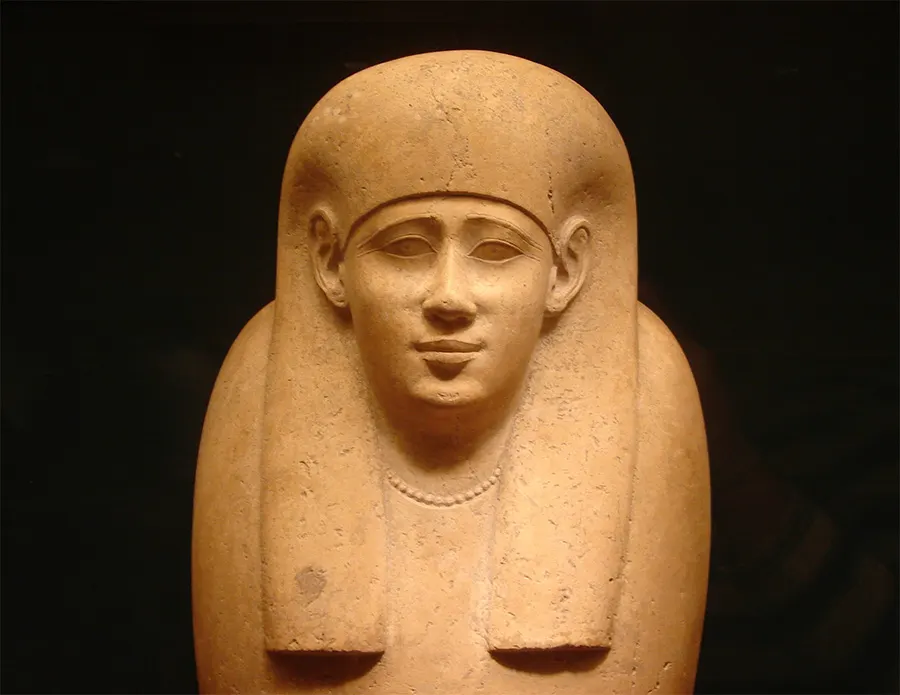
This is my favorite section. The quality of the Met's Egyptian art collection is recognized worldwide: more than 36,000 objects spread across 40 galleries, dating from the Paleolithic to the Roman invasion.
Many of the most interesting pieces come from the Met's own excavations and archaeological discoveries, carried out between 1906 and 1944. What makes it fascinating is that alongside the objects, the galleries tell the story of how they were found.
Egypt in miniature
The collection of 24 wooden models from the tomb at Deir el-Bahari, for example, was one of the finds made by the Met's archaeologists.
These miniatures depict scenes from everyday Egyptian life, so beyond their beauty they're an invaluable resource for the study of Egyptian culture.
The Temple of Dendur
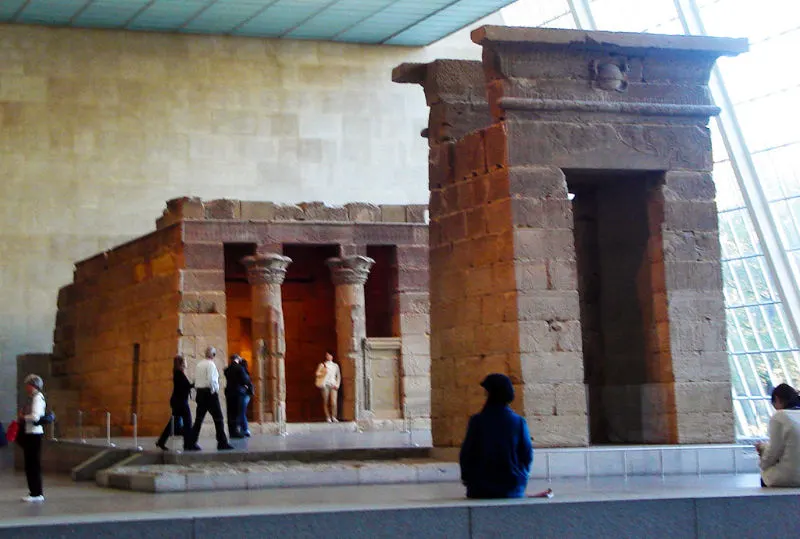
For many, the biggest draw of the Met's Egyptian collection is the Temple of Dendur, which was dismantled stone by stone from its original site to save it from the flooding caused by the Aswan Dam.
In 1965 the Egyptian government gifted this small temple to the United States, and it was installed in a light-filled gallery inside the Met that echoes its original setting in a way, but with spectacular views of Central Park through the floor-to-ceiling windows.
2. Ancient Near Eastern art
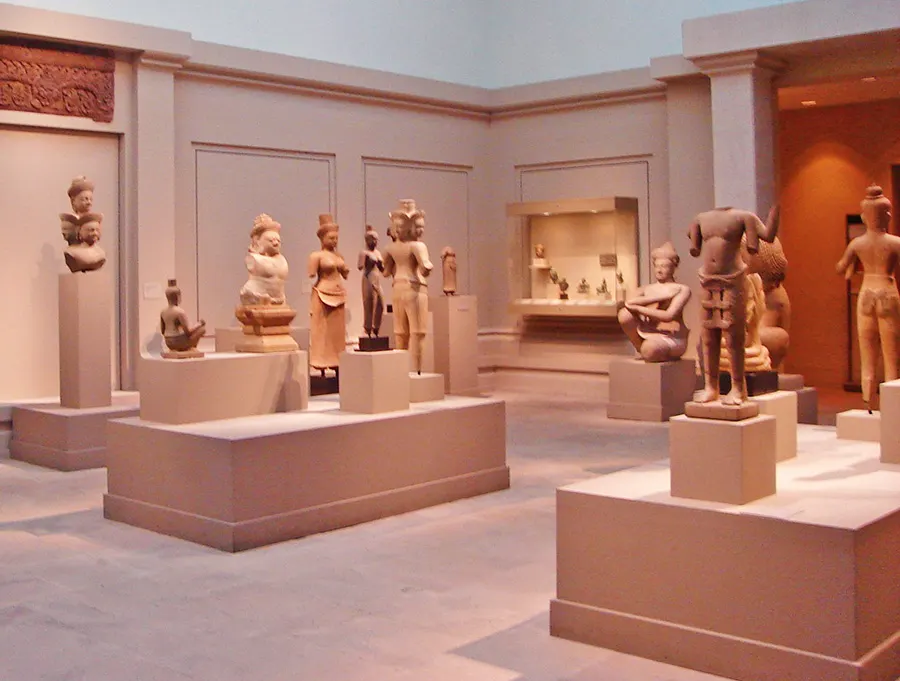
In the galleries devoted to Near Eastern art you'll find a number of cuneiform tablets and seals, some from the early Neolithic.
There are also works from the Hittite, Sumerian, Assyrian and Babylonian cultures, among others, plus Bronze Age objects.
If you haven't had the chance to visit the great European art museums like the Hermitage, the Louvre or the British Museum, this section will be especially interesting.
3. Asian art
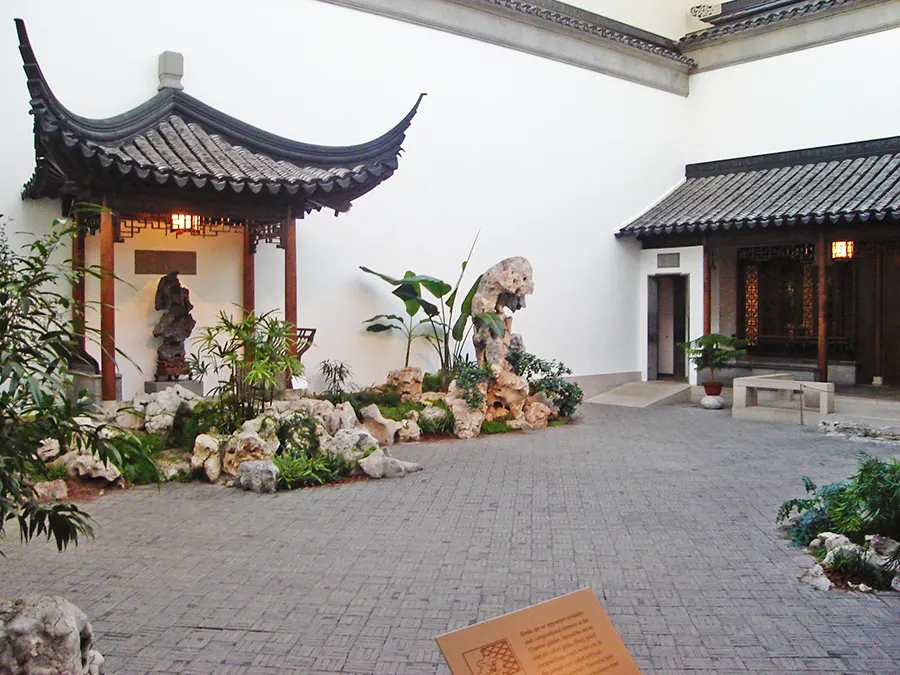
The Met's Asian art collection is one of the most comprehensive on this side of the world. It's made up of more than 60,000 pieces spanning nearly 4,000 years.
Paintings, sculptures, prints, metalwork and other decorative arts from the various Asian civilizations are on display here. There's also an important collection of Chinese calligraphy and painting.
4. Islamic art
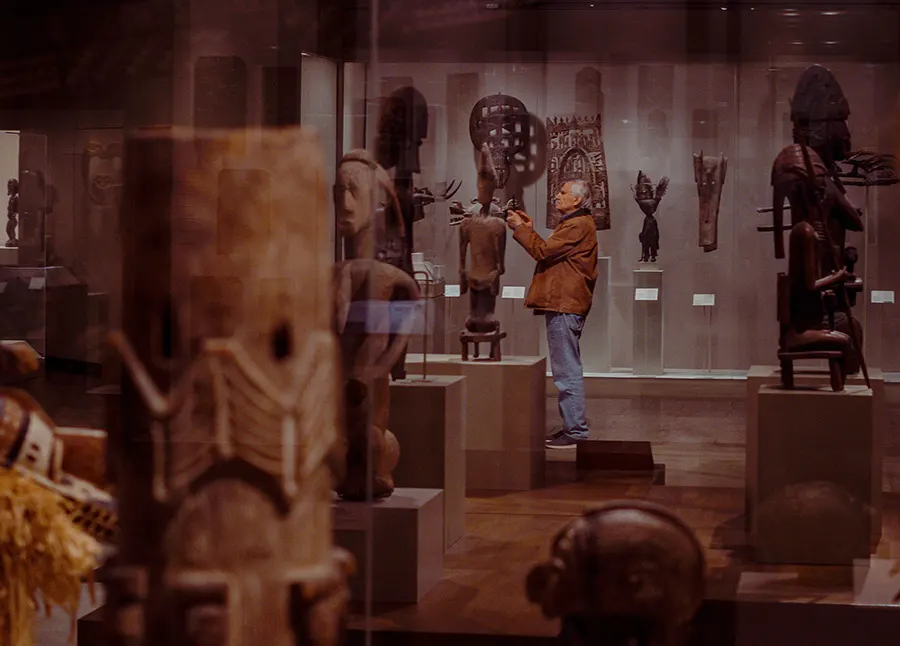
Islamic religious and decorative art are the heart of this section, though there are also everyday objects like ceramics and textiles from North Africa, Central Asia and even traces of Islam in Spain.
The display of Mughal and Iranian miniature paintings draws big crowds, as does the calligraphy section, which includes Qur'an manuscripts from different periods.
As in other wings of the museum, you can walk through installations of decorated rooms whose realism and craftsmanship give you a real feel for the period and style in question.
5. American decorative arts
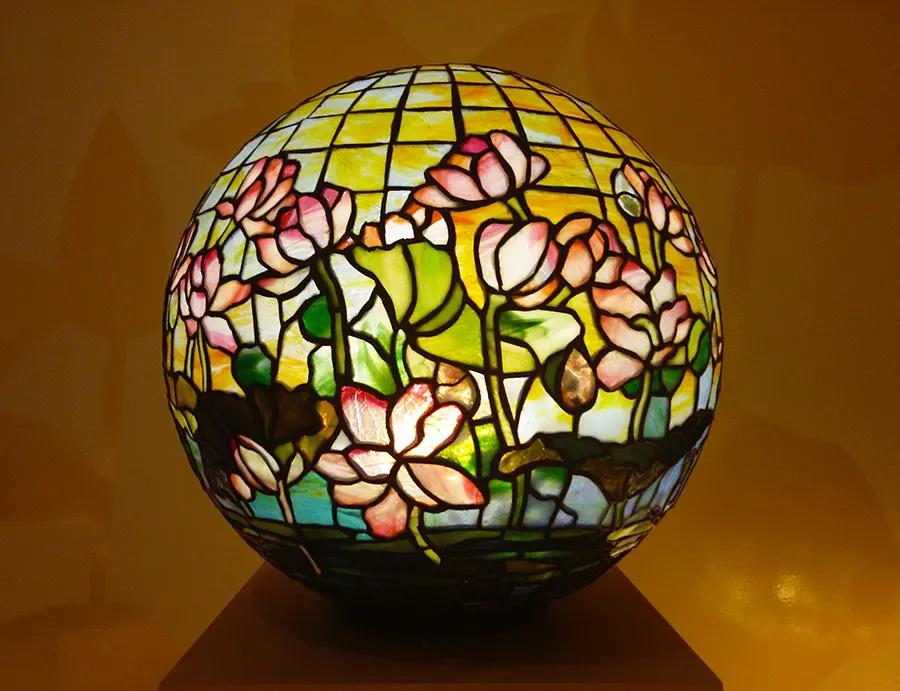
Here you'll find masterpieces from the 17th century to the early 20th. Standouts in this collection include the stained glass and lamps of Louis Comfort Tiffany, a leading figure of the Art Nouveau movement.
Also very popular in this wing are the 25 recreations of fully furnished and decorated period rooms, each reflecting a particular era or designer.
Other collections to see at the Met
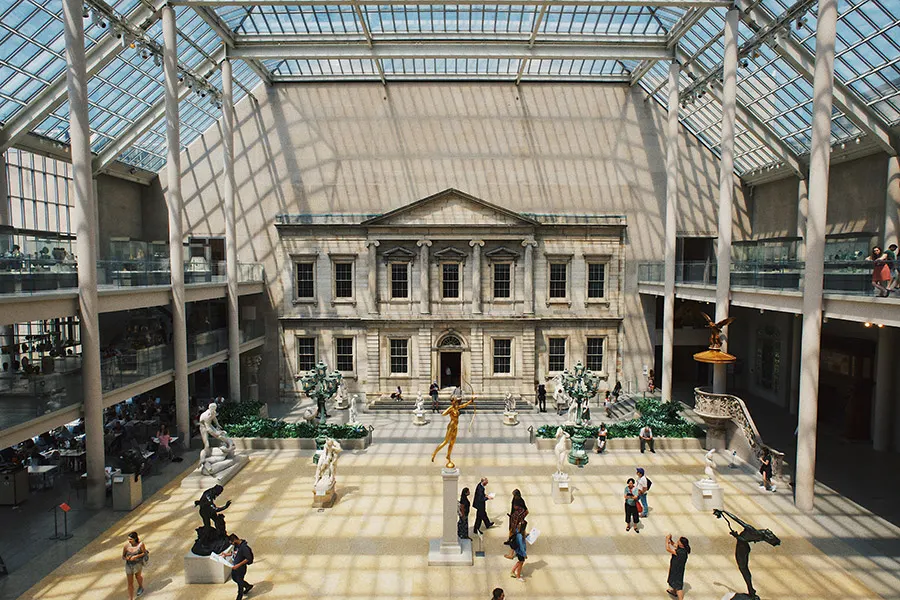
I've only included some of the Met's main collections here, but there are many more.
There are galleries devoted to Greece and Rome, to the Middle Ages and the Renaissance, among others. The truth is you'll never see the whole museum in a single visit.
The Met's rooftop terrace
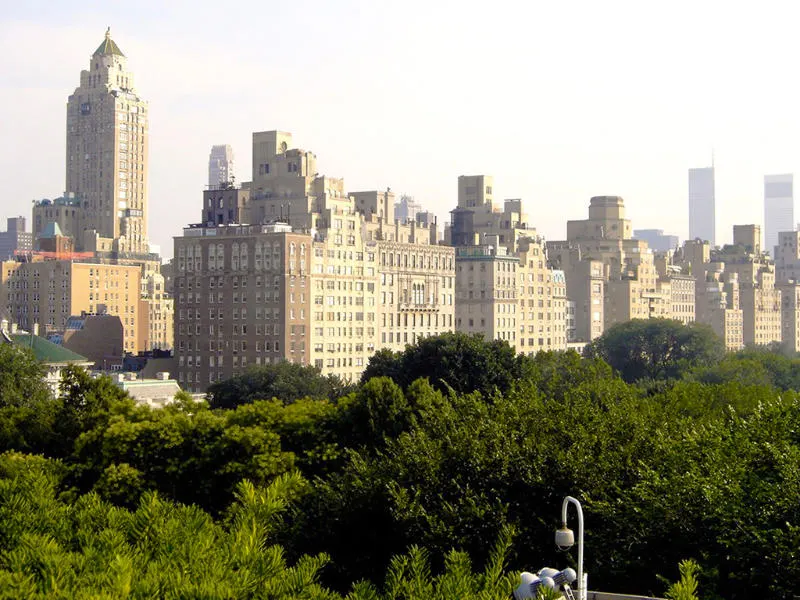
Another part of the museum you shouldn't miss is the rooftop garden. From up there you get a magnificent view of Central Park and the Uptown Manhattan skyline.
The Met Cloisters: the medieval art collection
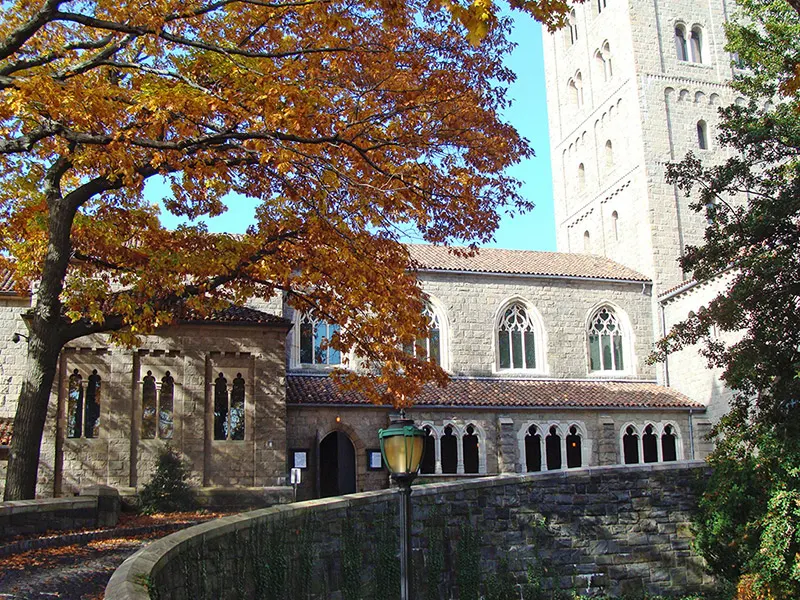
The Met's other location is the Cloisters, in Fort Tryon Park, in Washington Heights, a neighborhood in uptown Manhattan.
This is the Met's department dedicated to medieval art.
As I mentioned at the start, you can visit the Met Cloisters with the same ticket you bought for the main Metropolitan Museum building (always within a window of 3 consecutive days).
Tips for visiting the Met
- If you want to dodge the crowds, don't visit the museum on a summer Sunday.
- If you're here during winter in New York, Friday and Saturday evenings will feel like you have the museum to yourself. Keep in mind it stays open until 9 pm on those days.
- With the New York Pass and the Sightseeing Pass, admission to the Met and the Cloisters is already included.
- With the CityPASS you can also get into the Met plus 5 other major attractions.
The Met's address
1000 Fifth Avenue, at 82nd Street
How to get there
Subway 4, 5, 6. 86th St station
Updated Met ticket prices
Adults US$ 30 / Students US$ 17
65+ US$ 22 / Under 12 free
Right now every tourist has to pay the full price to get into the Met (the «pay what you wish» policy was scrapped).
The good news is that when you buy a ticket to either of the Met's 2 locations, you can visit the other one within three consecutive days.
Met hours
Sunday to Tuesday 10:00 am to 5 pm
Friday and Saturday 10:00 am to 9 pm
The Metropolitan Museum of Art is closed every Wednesday.
Closed on Thanksgiving, Christmas, New Year's Day and the first Monday in May
You can check more visit details on the museum's official site, where you'll find the other collections I didn't cover in this quick guide. There's just so much to see at the Met 😜.