
Little Italy NYC: What to See and Where to Eat Well
Little Italy NYC: What to See and Where to Eat Well
Guía rápida
New York owes a lot to Italy, and you'll notice it in the food, the last names, and hundreds of faces. Following the trail of the Italian community in New York will teach you a lot more about the city.
Little Italy was central to the Italian American community here, but today it's mostly a stage set of what it once was.
What you'll find now are streets packed with restaurants that, while they turn out good food, are pricey and very much «for tourists.» But everything changes during the Feast of San Gennaro in September, when Italy and its traditions come back to the neighborhood.
What to do in Little Italy
If you're feeling nostalgic, visiting Little Italy is a must. Major mob bosses ran their operations out of Little Italy well into the 20th century, and you don't need much imagination to picture that era, since the buildings are still standing.
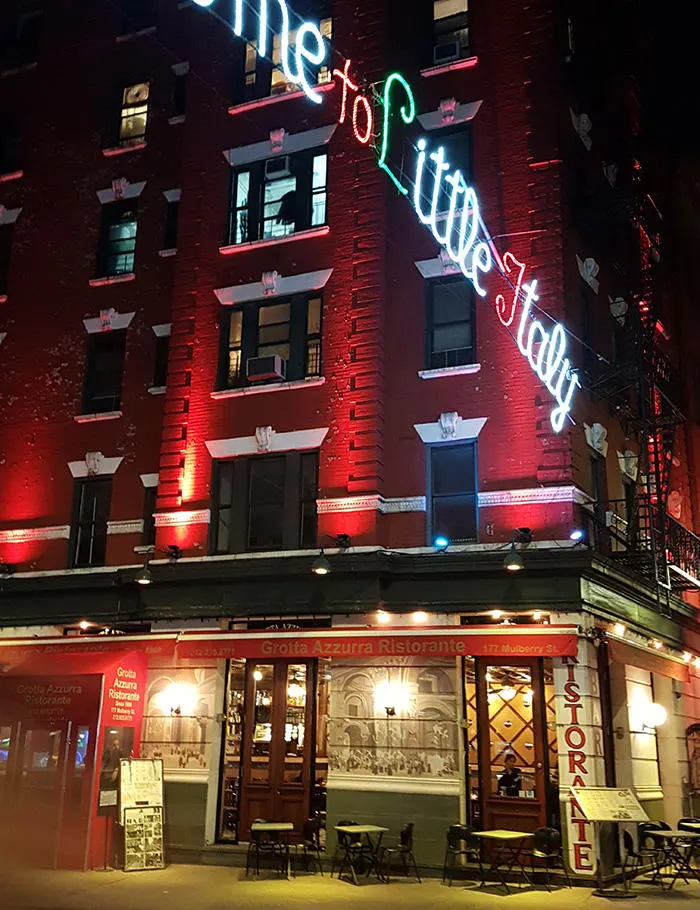
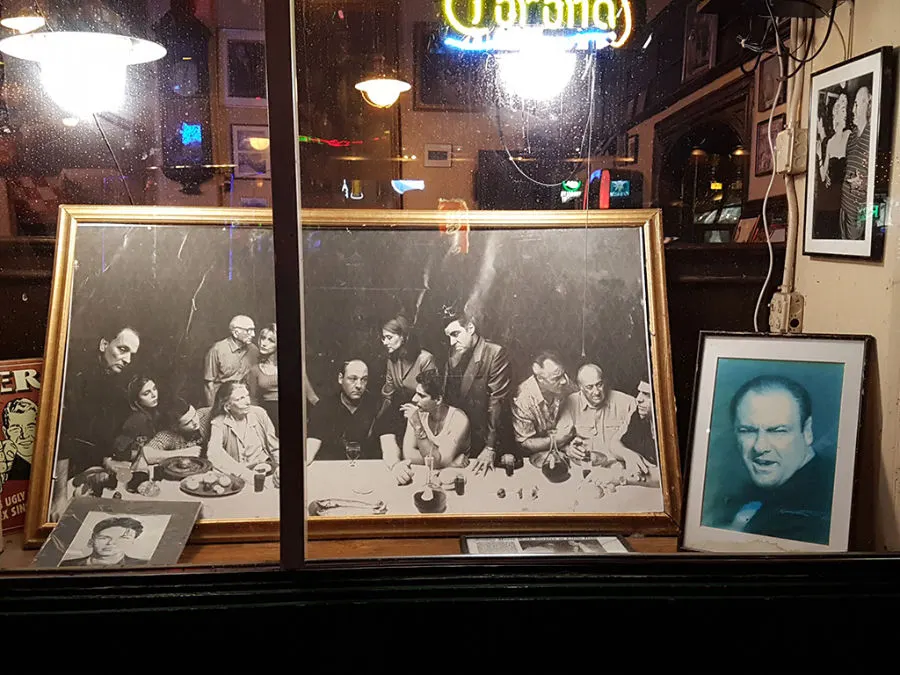
Classic movies about the Italian mafia in New York were filmed on these streets, and even The Sopranos, who belonged to the New Jersey mob in the HBO series, came down to the neighborhoods of southern Manhattan to handle plenty of their business.
A handful of traditional shops survive, like the barbershops with their tricolor pole still spinning, but the neighborhood's peak moment comes in September, during the Feast of San Gennaro.
In late 2023 the Italian American Museum opens in the heart of Little Italy (155 Mulberry Street), dedicated to preserving the stories of the migrants who came from Italy and made New York their new home.
If these stories interest you, head to the Tenement Museum in the neighboring Lower East Side. You can tour real apartments that recreate how immigrants lived, including an Italian family.
The Feast of San Gennaro in Little Italy
San Gennaro is a religious celebration that runs for 11 days starting the second Thursday of every September. It has been held since 1926, launched by the Neapolitan community in honor of their patron saint.
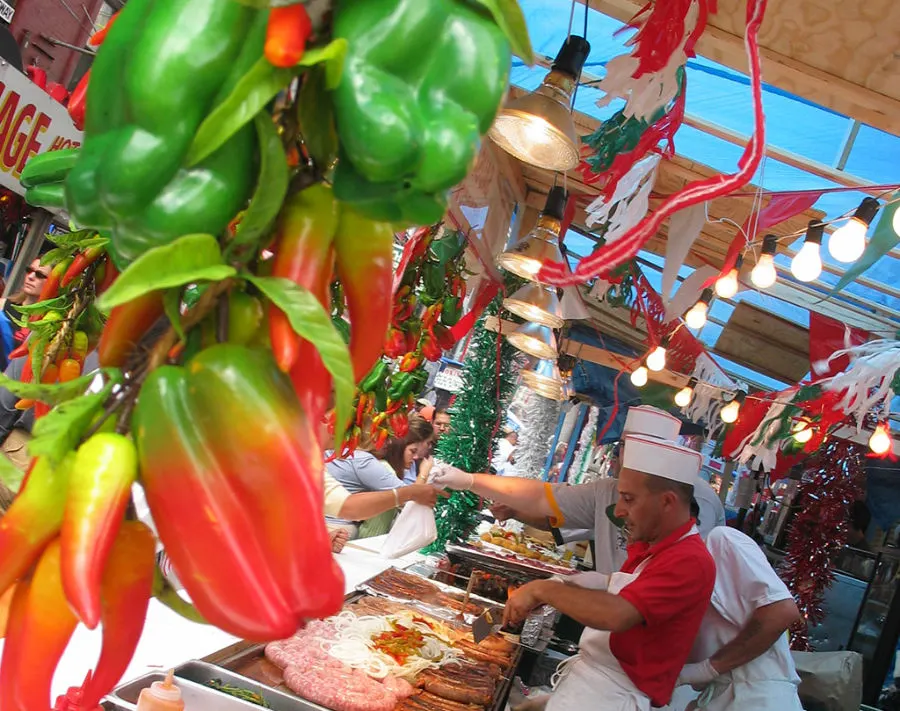
During the feast, Mulberry Street, between Houston Street and Canal Street, becomes the center of processions, music, vendors, games and, most important of all, a lot of food, as you'd expect from the descendants of Italians.
The Italians of New York
With the massive arrival of Italians after the wars, the different families clustered together and prospered in small Downtown neighborhoods, with Little Italy among the most emblematic.
Over time the Italians, like every other immigrant group, moved out to other New York neighborhoods and, naturally, mixed with the rest of the population.
Here's a list of other New York neighborhoods with a strong Italian influence:
- Little Italy in the Bronx
- Howard Beach in Queens
- Bensonhurst in Brooklyn.
- Staten Island, which claims to be the borough of New York with the most residents of Italian descent (40%).
Today a good chunk of Little Italy has been absorbed by the unstoppable Chinatown to the south, and to the north by what's known as NoLIta, short for North of Little Italy.
Where is Little Italy?
Little Italy stretches from Canal Street north along Elizabeth, Mulberry, and Mott Streets.
How to get there
Subway lines N, R. Prince Street station
Subway line 6. Spring Street station