
Where to Eat in Chinatown New York: Our Favorite Spots
Where to Eat in Chinatown New York: Our Favorite Spots
Guía rápida
- What to do in Chinatown
- 1. Columbus Park
- 2. Shopping in Chinatown
- 3. Mahayana Buddhist Temple
- 4. MOCA
- 5. Chinese New Year in New York
- Eating in Chinatown
- Cheap hotels in Chinatown
- The history of Chinatown
- Home base for the Chinese mafias
- Five Points came before Chinatown
- Other Chinatowns in New York
- 10 Tips to Save on Your Trips
- 👇🏼 Leave your email and be part of something special.
- Deals for your getaway
- 15% off your hotel
In New York they say Chinatown is the largest Asian community in the Western world (San Francisco would surely beg to differ). What's certain is that Manhattan's Chinatown is a quintessential New York neighborhood and well worth a visit.
Keep reading so you don't end up like Woody Allen, who once wondered: «Can man know the universe? My God, it's hard enough finding your way around Chinatown.»
What to do in Chinatown
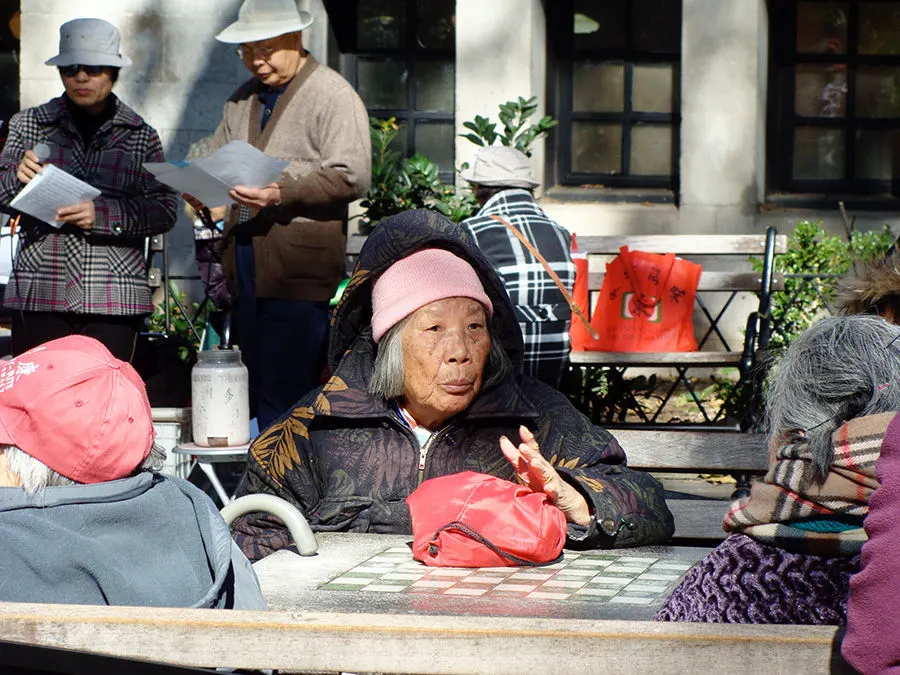
Chinatown is a neighborhood with its own rules, and it can feel like the people who live here never quite registered that they're in another country. They put up with tourists because we're their main customers, but you'll notice how they ignore us and how much they dislike being photographed, so be discreet.
Here's a rundown of the most interesting spots in Chinatown, where to shop and where to eat:
1. Columbus Park
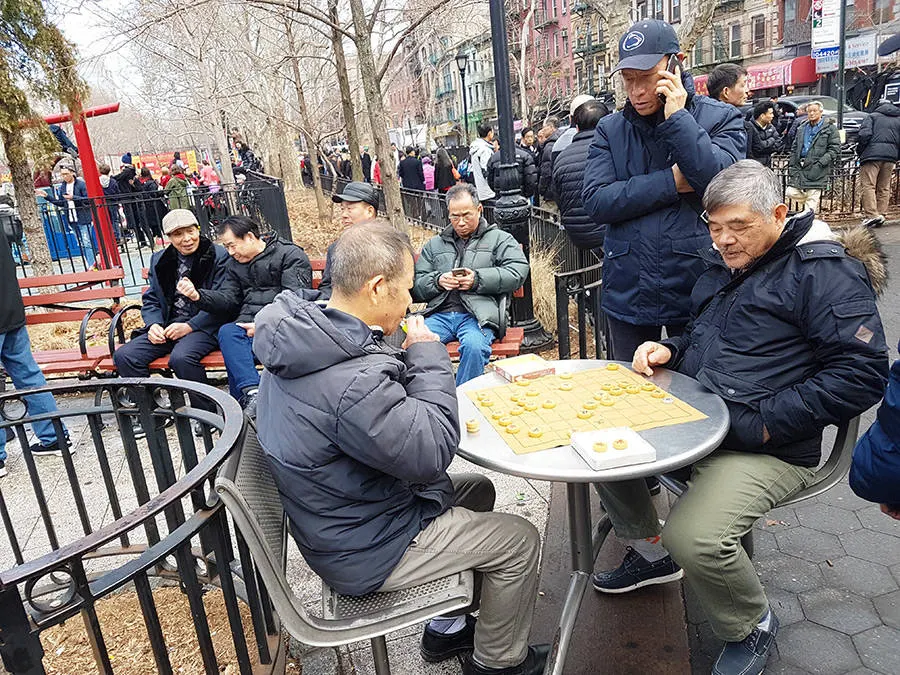
To really get to know Chinatown, the first thing I'd suggest is visiting Columbus Park, where locals sing, read the paper, practice tai chi and play mahjong in a world of their own.
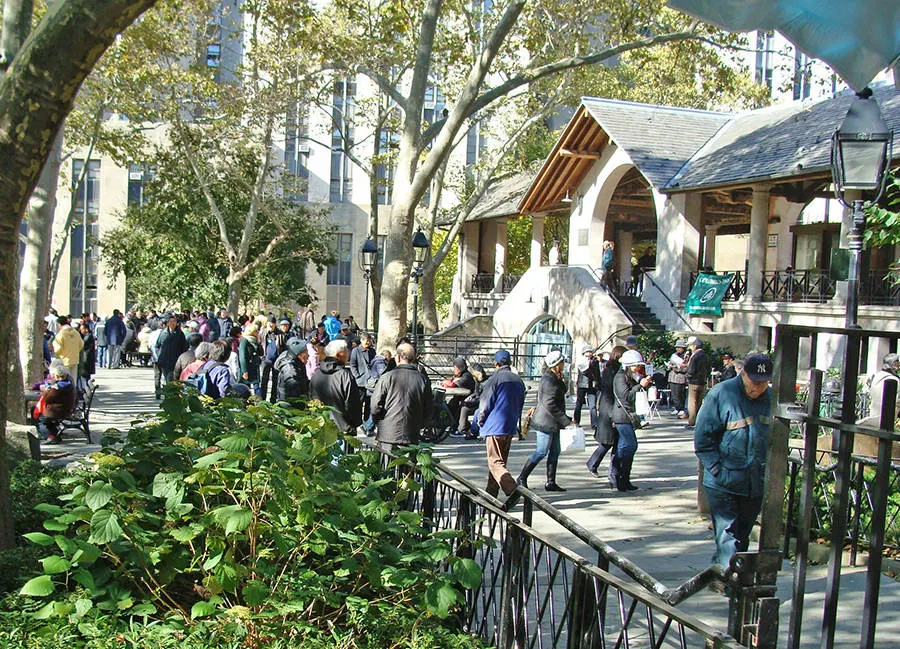
It's where you see just how well the Chinese community rebuilds its cultural bubble wherever it lands.
2. Shopping in Chinatown
If you're up for cheap souvenirs, knockoffs and exotic goods, Chinatown is the place. The streets are packed with shops, especially Canal Street and Mott Street.
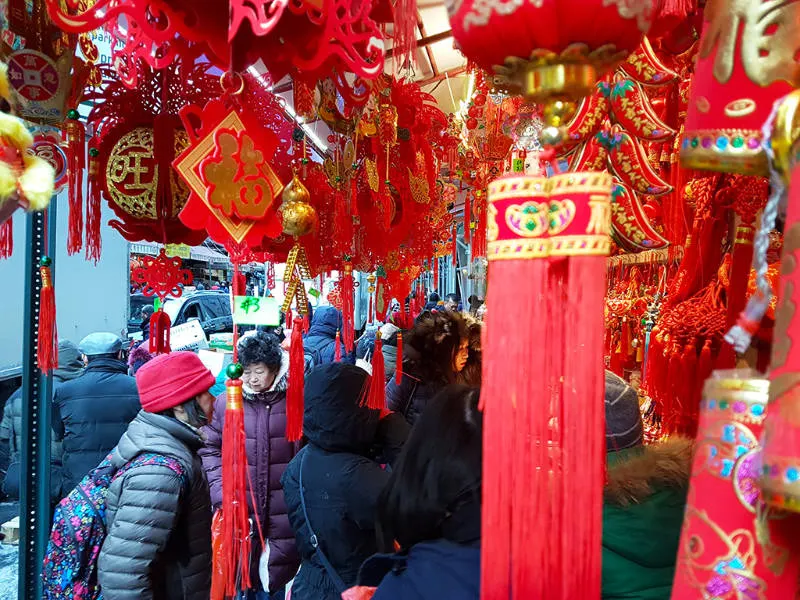
Canal Street is where the knockoff clothing, handbag and watch vendors cluster. It's a chaotic, noisy street.
If the racket wears you down, stop by the Canal Street Market (265 Canal St), a modern market that mixes artisan stalls with mostly Asian fast-food counters.
Mott Street is full of shops selling exotic fruit and food.
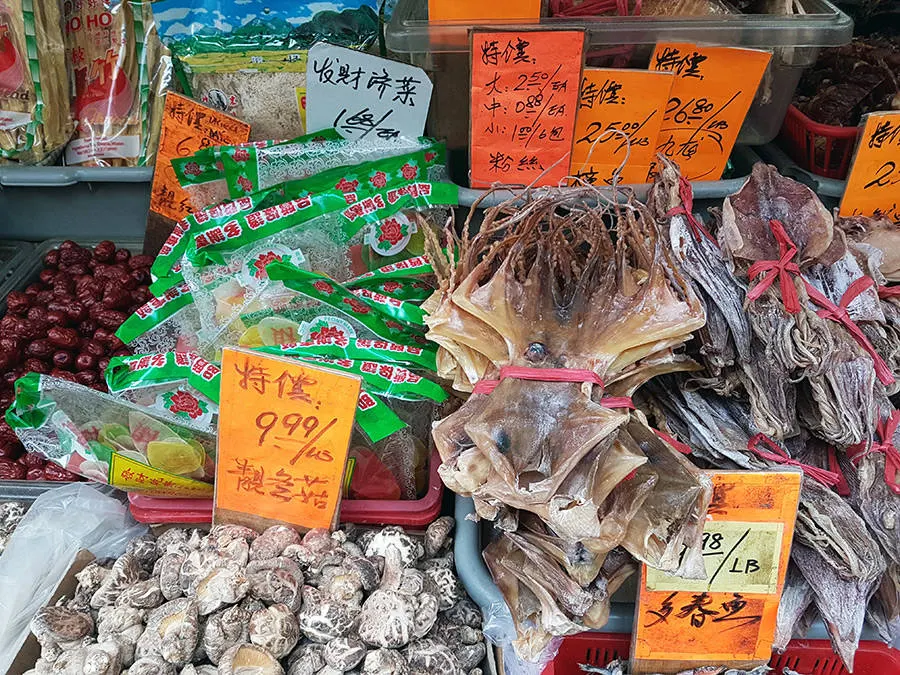
But look closely and, among the knockoff shops, trinkets and fruit, you'll find tea shops, pharmacies stocked with centuries-old herbs, fish markets where they fillet the merchandise while it's still alive, ducks and pigs hanging in the windows and staircases down to mysterious basements (though you won't spot Gizmo, that little critter lives in San Francisco's Chinatown ;).
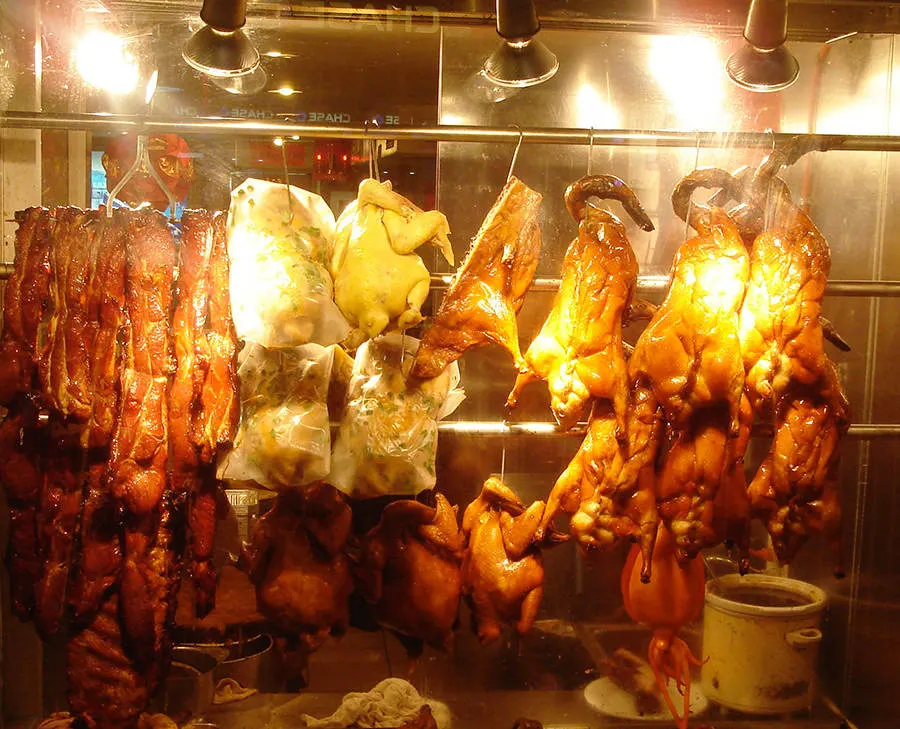
Keep in mind that most places only take cash, including plenty of the restaurants.
3. Mahayana Buddhist Temple
Near the entrance to the Manhattan Bridge (which you can walk across to reach DUMBO) sits the largest Buddhist temple in New York, the Mahayana Buddhist Temple (133 Canal Street).
They ask for a $1 donation to enter. It's worth it to see the huge Buddha statue, also the biggest in the city.
4. MOCA
If you want to dig into the history of Chinese migration to the United States, visit MOCA, the Museum of Chinese in America (215 Centre Street).
Open Tuesday through Sunday, 11 am to 6 pm. Admission costs $12, but it's free on the first Thursday of every month.
5. Chinese New Year in New York
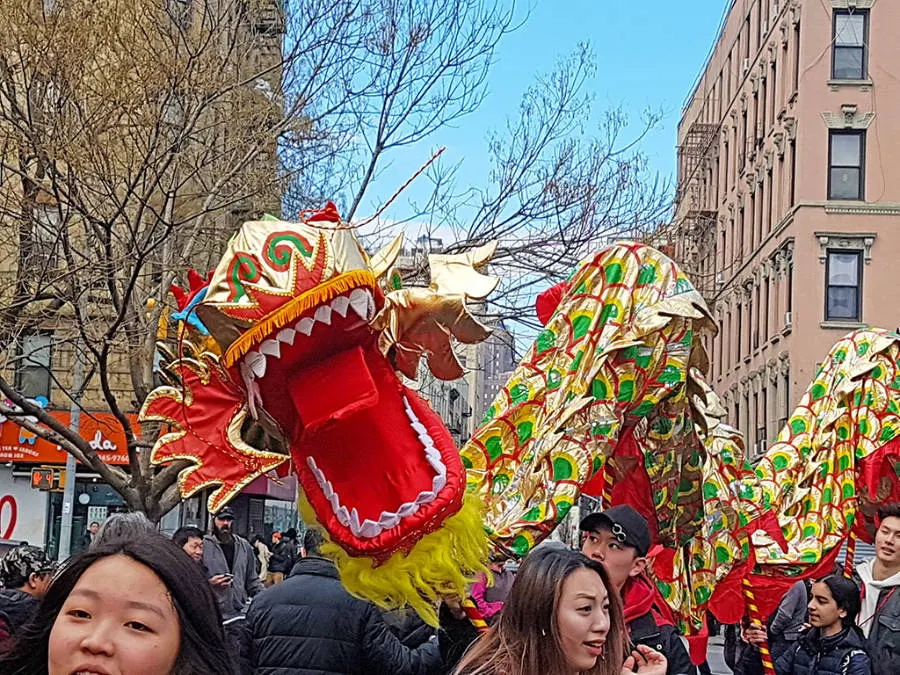
One of the best times to visit Chinatown is during the Chinese New Year celebration. The date follows the lunar calendar, but it usually falls in February.
Eating in Chinatown
There are more than 200 restaurants in Chinatown. I won't recommend any one in particular because there's simply too much to choose from.
Follow your instincts, and if you want a safe bet, check the doors: the best-known places post their Zagat and TripAdvisor reviews on the door or in the window.
Before you order, ask whether they take credit cards. Cash is the norm in Chinatown.
Read more recommendations on where to eat in New York.
Cheap hotels in Chinatown
Looking for affordable, central hotels? Chinatown has decent places at good prices (check them out here), and they're very close to New York's biggest attractions.
When picking your hotel, read the traveler reviews carefully. Some are very cheap but not necessarily good.
The history of Chinatown
The first Asians to arrive in Chinatown were Chinese immigrants, hence the name, but today this Manhattan neighborhood is home to people from Vietnam, Malaysia, Taiwan and beyond.
Asian immigration has been so significant that since the seventies Little Italy, and even Nolita, have steadily given ground to Chinatown.
Home base for the Chinese mafias
Until not long ago, Chinatown was the center of operations for Chinese mafias, underground organizations (Tong in Cantonese) whose purpose was to support their community, help immigrants settle in and push back against racism, all generally funded through illicit activity (an Asian version of the Italian mobs).
Through the nineties there were notorious gangs like the Ghost Shadows and the Flying Dragons. These Tongs didn't always see eye to eye, which sparked plenty of internal fighting over control of the area. That scared the rest of New York, which saw this enclave as lawless territory.
That violent past is behind it now, but stepping into Chinatown still means crossing a steep cultural divide. As a Westerner, you can end up feeling like a ghost here.
Residents flat out ignore locals and tourists alike, going about their lives speaking their own language, selling their fruit, herbs and fish, seemingly having forgotten they're in another country.
Five Points came before Chinatown
As with everything in New York, Chinatown wasn't always this way. Before the Chinese arrived, this neighborhood was known as Five Points.
The name Five Points comes from the intersection of five streets that met where Columbus Park now sits, a spot that in the 19th century was one of the most dangerous areas in New York.
This was swampy ground where poor immigrants from all over ended up. Rivalries between the different ethnic groups were constant, an atmosphere Martin Scorsese recreated in his film Gangs of New York.
Those conflicts eased over time, and the neighborhood became one of the first examples of integration between different cultures, the kind of thing that makes New York as wonderful as it is.
Other Chinatowns in New York
If you want to escape the crowds of Manhattan's Chinatown, there's another major Asian enclave you can visit: Queens' Chinatown, in the neighborhood of Flushing.
There you can eat delicious, deeply authentic dishes, and best of all, far from the noise of Manhattan's Chinatown.
-o-
Address
Chinatown borders East Village and SOHO to the north (Delancey Street) and the Civic Center to the south (Chambers Street), plus TriBeCa to the west (Broadway) and East Broadway to the east.
Getting there
Lines B, C, 1. Stations from 110th to 125th Street.