
Lower Manhattan: What to See and How to Get Around
Lower Manhattan: What to See and How to Get Around
Guía rápida
- What to see in Lower Manhattan
- 1. Statue of Liberty and Ellis Island
- 2. Governors Island
- 3. Historic buildings in Lower Manhattan
- 4. World Trade Center
- 5. South Street Seaport
- 6. The Financial District
- 10 Tips to Save on Your Trips
- 👇🏼 Leave your email and be part of something special.
- Deals for your getaway
- 15% off your hotel
Lower Manhattan, the southern tip of the island, is where New York's settlement began. It's the far south end of Downtown.
If it's your first time in New York, the south of Manhattan island is one of the first places I'd recommend visiting, because it's packed with historic sites that mean a lot to the city.
What to see in Lower Manhattan
As the oldest part of the city, it has landmarks like the Statue of Liberty, Wall Street and the South Street Seaport neighborhood. Here's a rundown of the spots you shouldn't miss:
1. Statue of Liberty and Ellis Island
Lower Manhattan is home to the harbor that welcomed so many immigrants. Today that area is Battery Park, a park full of history that you'll almost certainly visit, since this is where the ferries to the Statue of Liberty and Ellis Island depart, along with the ferries to Staten Island.
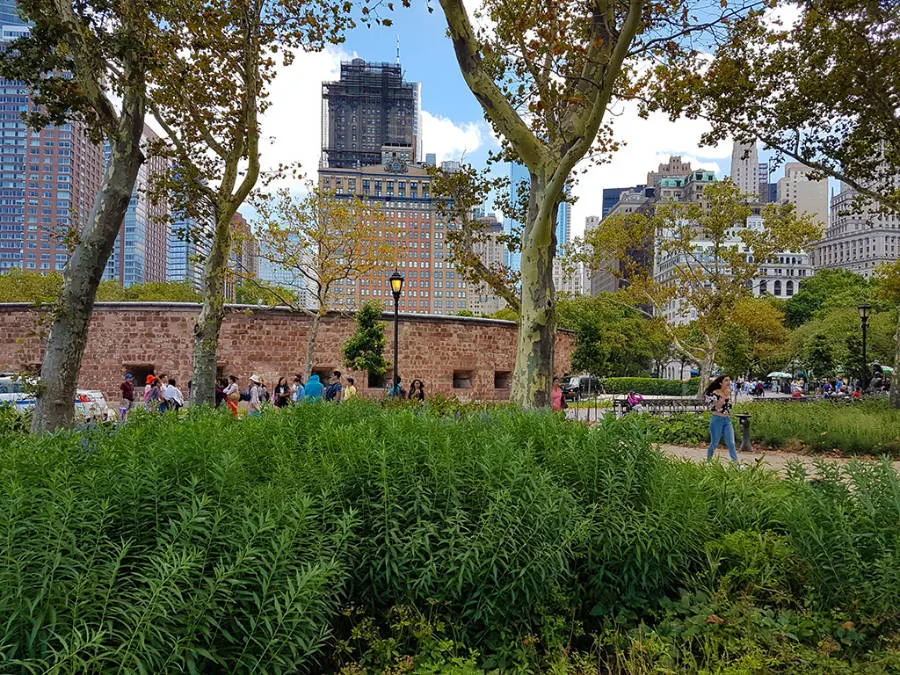
Read up on how to visit the Statue of Liberty, and please leave time for Ellis Island, the old immigration station where new arrivals to the United States had to be inspected (literally), with many of them held in uncomfortable quarantines.
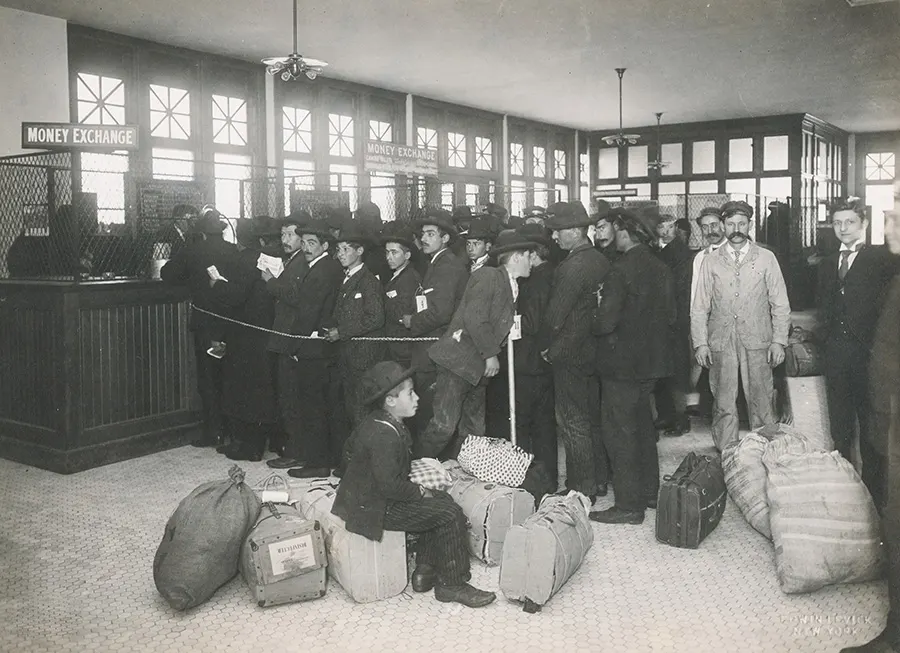
Ellis Island shows you the harsh tests faced by the people who built the New York we enjoy today.
2. Governors Island
Governors Island is a small island just south of Manhattan that only opens toward the end of spring and through summer, so take advantage if you're traveling during those months (it will be open year-round very soon!)
Today Governors Island is a park with historic fortifications, picnic areas and terrific views of Lower Manhattan and the Statue of Liberty.
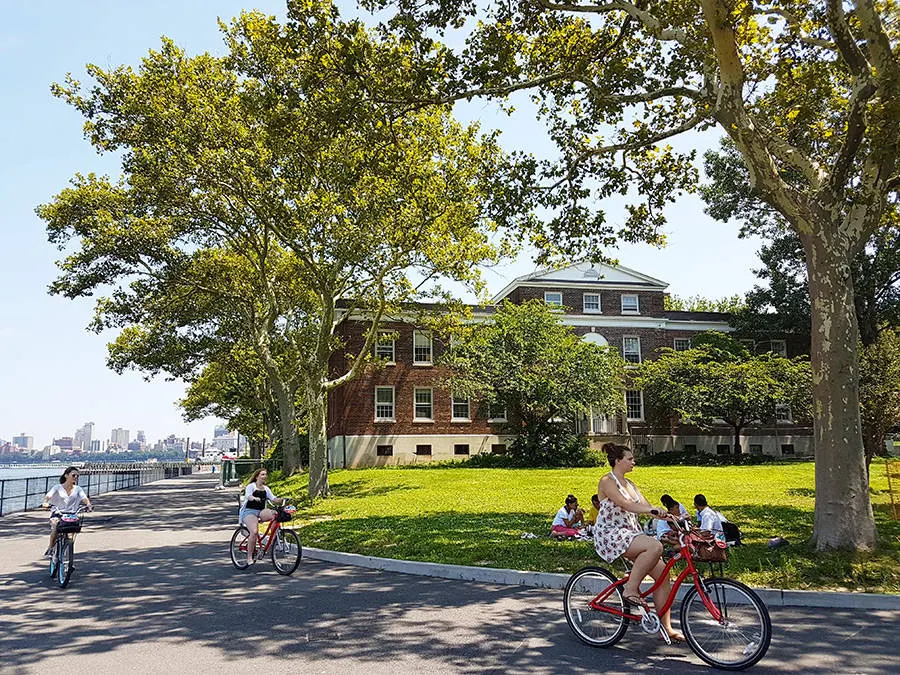
Read how to get to Governors Island from the lovely Battery Maritime Building terminal, right next to the ferry terminal for Staten Island.
3. Historic buildings in Lower Manhattan
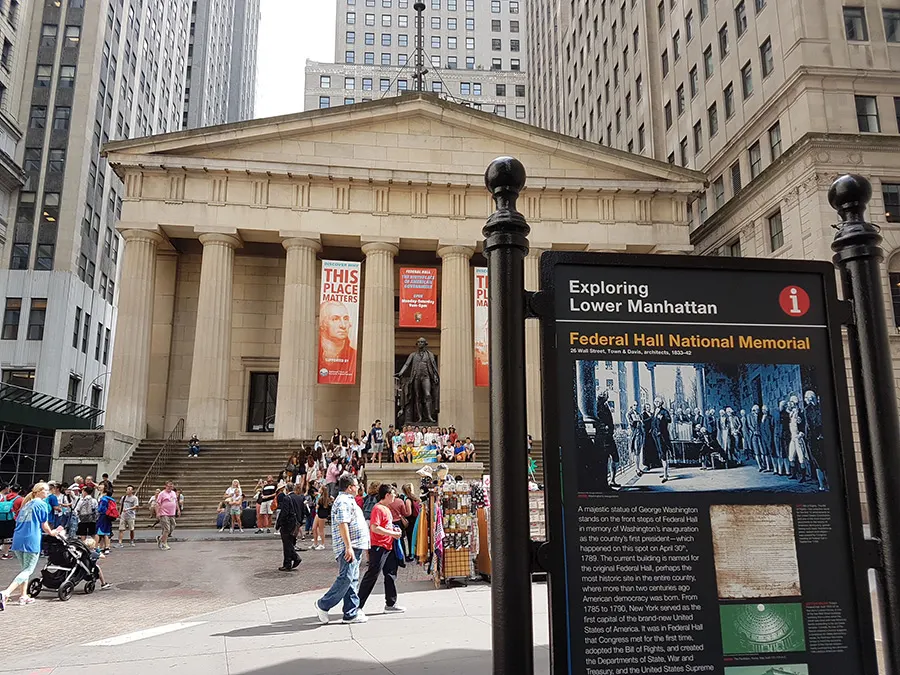
Lower Manhattan holds the city's oldest buildings, like Alexander Hamilton's Custom House, now home to the National Museum of the American Indian, and Federal Hall in the heart of Wall Street, where George Washington was sworn in as the first president of the newborn United States (did you see Hamilton?).
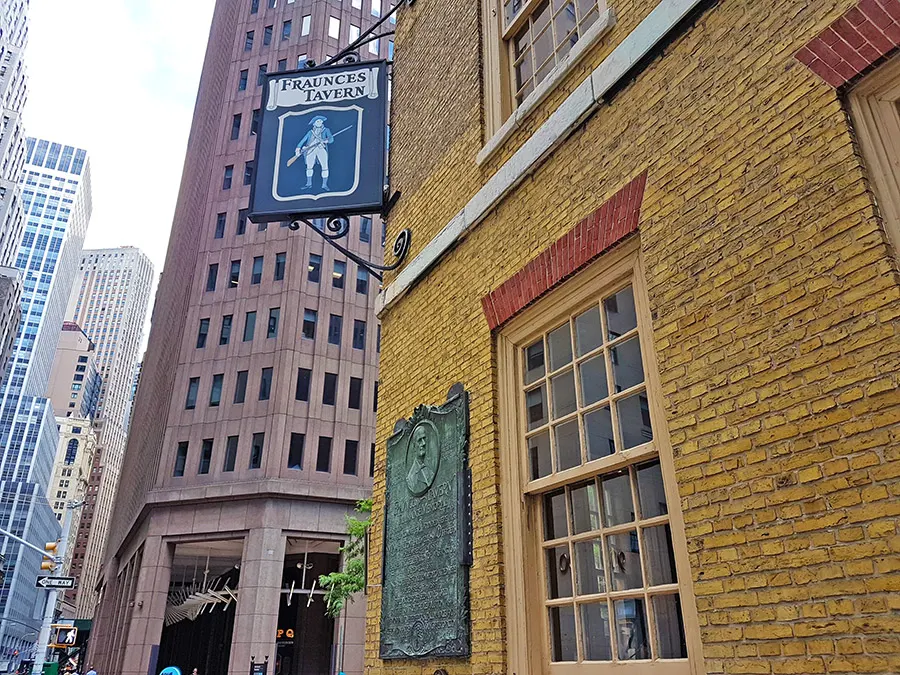
Other buildings date back to colonial times, like Fraunces Tavern, today a museum devoted to colonial New York and housed in the oldest building still standing in Manhattan.
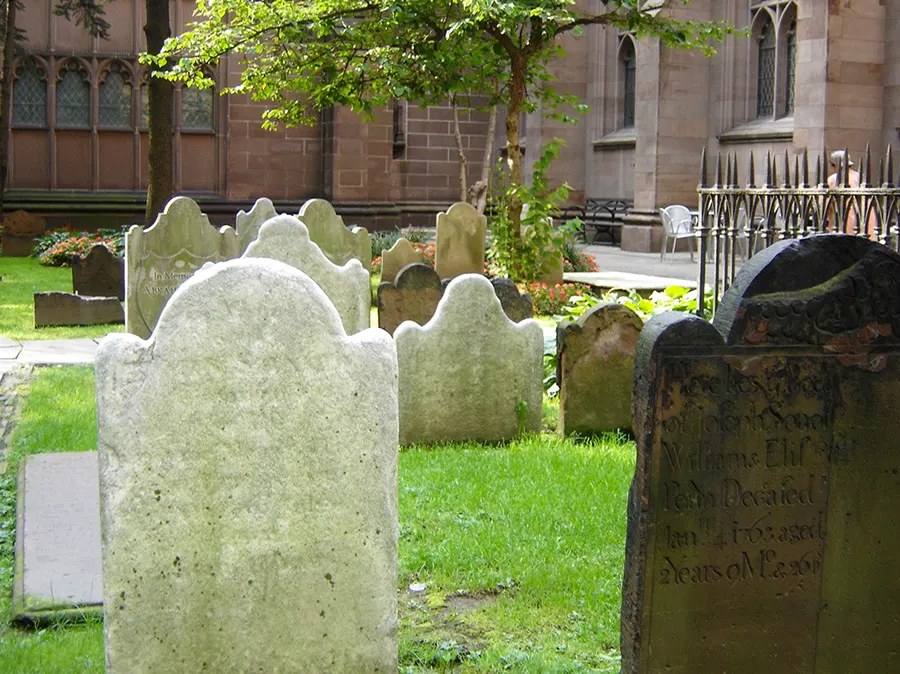
You'll also come across centuries-old churches like Trinity Church, whose old graveyard is still in use, and St. Paul's Chapel, which despite all its years nobly withstood the terrorist attack of September 11, 2001.
4. World Trade Center
The World Trade Center was the epicenter of the September 11, 2001 terrorist attack.
Thanks to two decades of steady rebuilding, the World Trade Center is more alive than ever, and once again New York's tallest building stands where the Twin Towers once did.
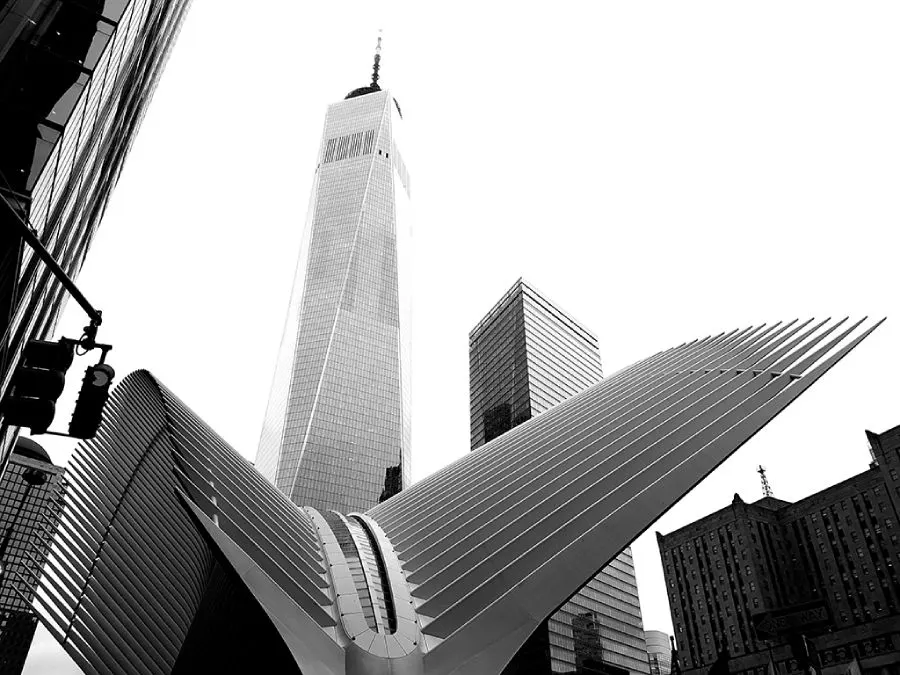
There's plenty to see at the WTC: the 9/11 Memorial, the 9/11 Museum, the new transit hall (the Oculus) and of course One World, whose observatory you can go up to.
On this visit you'll witness the power of destruction, but above all the energy of rebuilding. One NYC spot you have to see!
5. South Street Seaport
Traces of the old harbor remain in this maritime neighborhood of New York, but there's much more to it.
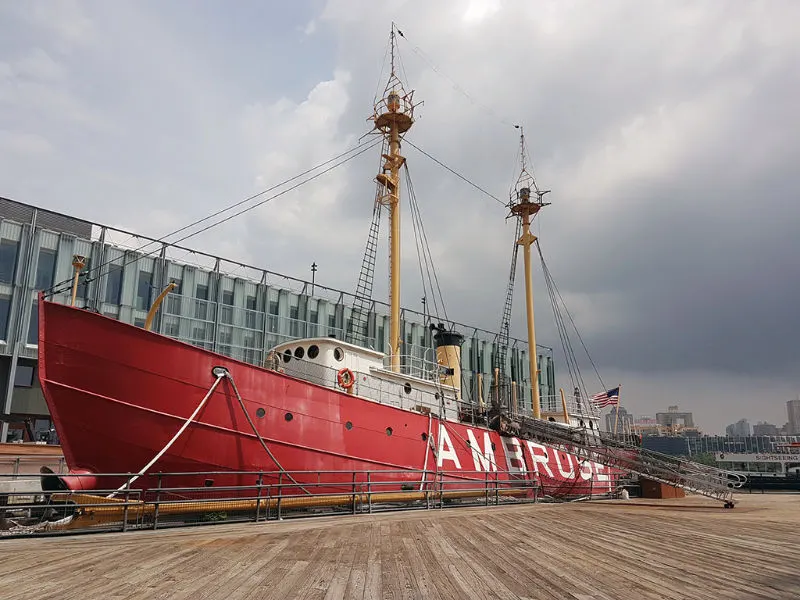
The South Street Seaport is a historic district that also has modern shops, restaurants and a museum dedicated to New York's naval past, where you can climb aboard historic ships!
From South Street you'll get good views of the Brooklyn Bridge, and since it's relatively close by, it makes a good starting point for walking across the Brooklyn Bridge.
6. The Financial District
Lower Manhattan isn't only history. Time kept moving here, turning it into the city's civic, commercial and financial center.
The Financial District, often just called Wall Street, gives Lower Manhattan much of its personality.
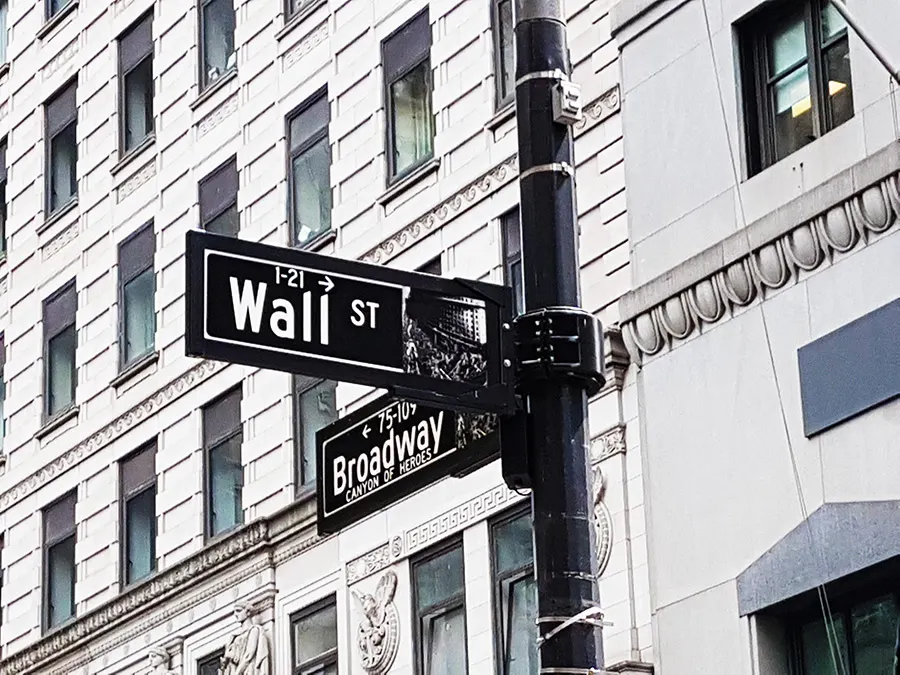
One detail so you don't forget where these streets came from: Wall Street follows the line of the wall built by Dutch colonists as the northern boundary of their settlement, New Amsterdam. Then the English arrived, tore down the wall, and the rest is history XP
-o-
Address
Lower Manhattan sits between Canal Street to the north and New York Harbor to the south. East to west, it's bounded by the East River and the Hudson River.
How to get there
Line 1. South Ferry station
Lines 2, 3. Wall Street station
Lines 4, 5. Bowling Green station
Lines A, C, E. Fulton Street station