
MoMA: What to See in the Museum of Modern Art
MoMA: What to See in the Museum of Modern Art
Guía rápida
- What to see at the MoMA
- 6th floor: the view
- 5th floor: Picasso and Dalí
- 4th floor: American art
- 3rd floor: design, architecture, photography and drawing
- 2nd floor: illustrated books and prints
- The MoMA Sculpture Garden
- Tips for your visit
- How to visit the MoMA for free
- History of the MoMA
- 10 Tips to Save on Your Trips
- 👇🏼 Leave your email and be part of something special.
- Deals for your getaway
- 15% off your hotel
The MoMA holds the most important collection of modern and contemporary art in the world. That's more than 100,000 pieces on permanent display.
You should visit New York's Museum of Modern Art not once, but many times. A full day isn't enough to see it all.
If you're short on time, plan ahead and decide what you want to see so you don't lose your mind with so much to take in, and make the most of your visit. Here's how:
What to see at the MoMA
First, a tip: buy your tickets online to save time. The MoMA is one of the most popular attractions in New York, so the ticket lines are long.
Once you're inside, start your visit on the 6th floor and work your way down. The most important collections are on the upper floors.
6th floor: the view
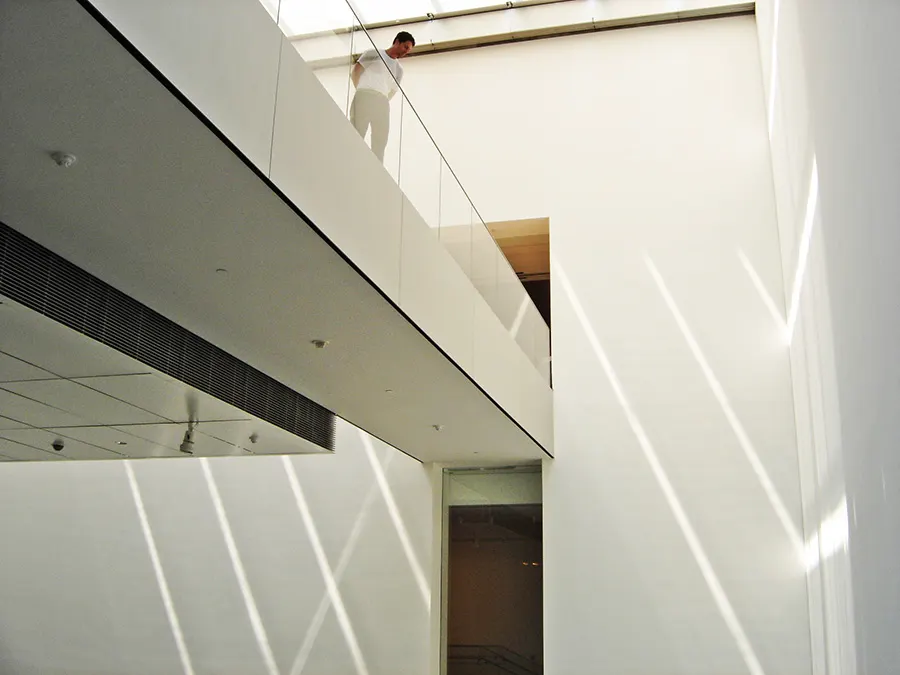
The MoMA building you'll be visiting opened in 2004, after 4 years of renovations designed by architect Yoshio Taniguchi to double its size.
The building itself is a collector's item, and it blends beautifully with the architecture around it.
To really appreciate it, I recommend heading up to the sixth floor, where you'll also get views of Midtown Manhattan through the wide windows.
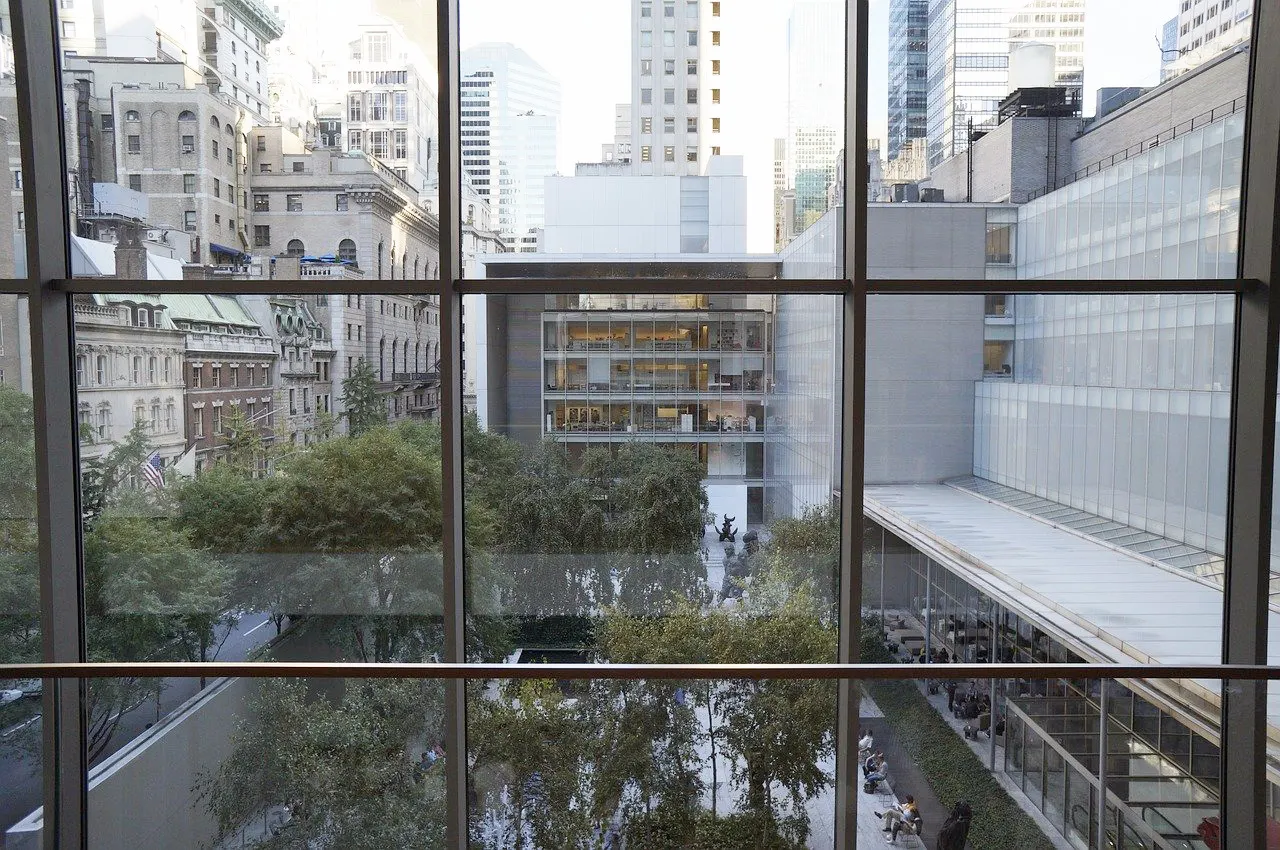
5th floor: Picasso and Dalí
As in almost every top-tier museum, there's no shortage of Cezanne, Van Gogh, Matisse, Dalí, Miró, Mondrian, Warhol, and Duchamp.
The MoMA's collection includes landmark works of contemporary art, such as Les Demoiselles d'Avignon (1906) by Pablo Picasso and The Persistence of Memory by Salvador Dalí.
Keep in mind that although these artists were Spanish by origin, it was New York society, which adored them, that catapulted them to global fame.
4th floor: American art
The Jackson Pollock collection, a benchmark of American abstract expressionism, is huge at the MoMA.
If you want to understand this artist and his drip technique better, watch the film Pollock (2000), directed by and starring Ed Harris, before you go.
Another gallery you can't miss is the one devoted to Edward Hopper, who favored space, signs, empty rooms and storefronts over crowds, even when he was painting New York (if this artist interests you, you have to visit the Whitney Museum, which specializes in American art).
Worth knowing: this New Yorker's paintings would go on to inspire Alfred Hitchcock, who borrowed his eye for some of his most iconic shots, like the low angle on Norman Bates's house.
Pop artist Andy Warhol, who has a wax figure at Madame Tussauds, is also a MoMA favorite.
While his thousands of screen prints are scattered all over the world, seeing them in New York, where he made them, gives them a special aura and glow you'll enjoy.
3rd floor: design, architecture, photography and drawing
On the 3rd floor of New York's Museum of Modern Art you'll find renowned collections of graphic and industrial design, architecture, photography and drawing.
I recommend the graphic and industrial design exhibit, since the MoMA has led the way in bringing into its collections aspects of our everyday lives whose aesthetic dimension we overlook precisely because they're so routine.
For example, the room dedicated to the Helvetica typeface as a design object is fabulous, and there's another with Ataris, rotary phones, 1960s televisions, chairs, furniture, in short, everyday objects that the curators consider design classics.
2nd floor: illustrated books and prints
The MoMA's 2nd floor is devoted to illustrated book and print galleries, as well as its film collection, and it's also where you'll find the theaters screening film series on constant rotation.
There's also a café here where you can refuel.
I could keep listing the MoMA's magnificent collections (I've only named a few of the ones that fascinate me here), but it's better if you go discover them for yourself 😜
The MoMA Sculpture Garden
During your visit, take a couple of breaks to clear your head in the MoMA sculpture garden, designed by Philip Johnson in the fifties. It's an oasis in the middle of the city.
You can also visit the MoMA Sculpture Garden for free: every day between 9:30 am and 10:15 am admission is free, as long as the weather cooperates and it isn't closed for maintenance.
Tips for your visit
- Skip the long ticket-booth lines and buy your MoMA tickets online (it's one of the most visited attractions in NYC)
- The New York Pass, GO City and Sightseeing Pass discount cards include admission to the MoMA and come with priority access.
- With your MoMA ticket you can visit MoMA PS1 in Queens for free (up to 14 days after the date on your ticket)
How to visit the MoMA for free
If you're a New York City resident, you can get into the MoMA for free every Friday from 4:00 to 7:00 pm. You need to reserve your entry time in advance on the museum's official website (go to the «Reserve UNIQLO NYC Nights Tickets» section).
International visitors and people from elsewhere in the United States can't get in free. Since the pandemic, the free-for-everyone Fridays are gone.
History of the MoMA
The Museum of Modern Art was founded in 1929 by New York philanthropists, among them the famous Rockefeller family (if you're interested in the Rockefellers' connection to New York, you have to explore every corner of Rockefeller Center and visit Kykuit, their mansion 50 minutes from New York).
Over the years, these wealthy socialites managed to assemble this magnificent collection that we can enjoy today in an equally magnificent building.
Address
11 West 53rd Street, between 5th and 6th Ave
Getting there
Subway E, V. Fifth Ave-53 St station
Prices
Adults $30 / Students $17 / Ages 65+ and visitors with disabilities $22 / Under 16 free
Admission includes a visit to MoMA PS1 in Queens (up to 14 days after your MoMA visit)
Hours:
Monday to Friday and Sunday 10:30 am to 5:30 pm
Saturday 10:30 am to 7 pm
Closed on Thanksgiving and Christmas